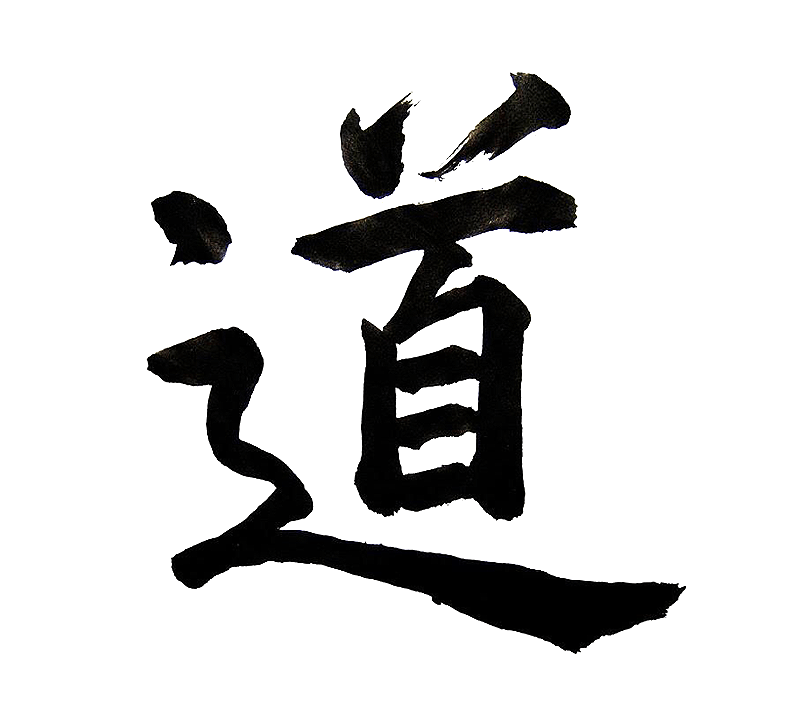

The Dao that can be told
is not the eternal Dao— Daodejing 1
Analysis:
“The Dao that can be told
is not the eternal Dao
The name that can be named
is not the eternal Name.
The unnamable is the eternally real.
Naming is the origin
of all particular things.
Free from desire, you realize the mystery.
Caught in desire, you see only the manifestations.
Yet mystery and manifestations
arise from the same source.
This source is called darkness.
Darkness within darkness.
The gateway to all understanding.”
This passage from the Daodejing, written by Laozi, is fundamental in understanding Daoist philosophy. It speaks to the ineffable nature of Dao, the ultimate reality or principle underlying the universe.
The opening lines, “The Dao that can be told is not the eternal Dao. The name that can be named is not the eternal Name,” suggest that the Dao, in its truest form, is beyond human comprehension and language. This implies that the ultimate truth or reality cannot be fully captured by words or concepts, as they are only “pointers”, or “signs” that describe this deeper 222reality.
The passage distinguishes between the eternal, unnamable reality (the Dao) and the named, which refers to the myriad things and concepts in the world. The “unnamable” is the eternal essence of reality, while the process of naming gives rise to the diversity of the world.
“Free from desire, you realize the mystery. Caught in desire, you see only the manifestations.” These lines suggest that true understanding or enlightenment comes from a detachment from desires. Desires anchor one in the material and superficial aspects of the world, obscuring the deeper, underlying reality.
The text indicates that both the mysterious, unnamable aspect of reality and its tangible manifestations arise from the same source. This highlights the Daoist view of the unity and interconnectedness of all things.
The use of “darkness” is a metaphor for the profound and mysterious nature of the Dao. “Darkness within darkness” suggests an even deeper level of mystery, indicating layers of understanding and the depth of the ultimate reality.
The final line, “The gateway to all understanding,” implies that recognizing and embracing the mysterious, unnamable aspect of reality is key to true wisdom and understanding.
Concluding, this section of the Daodejing encapsulates key Daoist principles: the ineffability and omnipresence of the Dao, the importance of transcending desire and superficial understanding, and the profound interconnectedness and unity of all things. The text invites contemplation and suggests that true wisdom lies in appreciating the depth and mystery of reality, beyond the limitations of language and surface appearances.
Bee Brave, BraveDave ⭐️